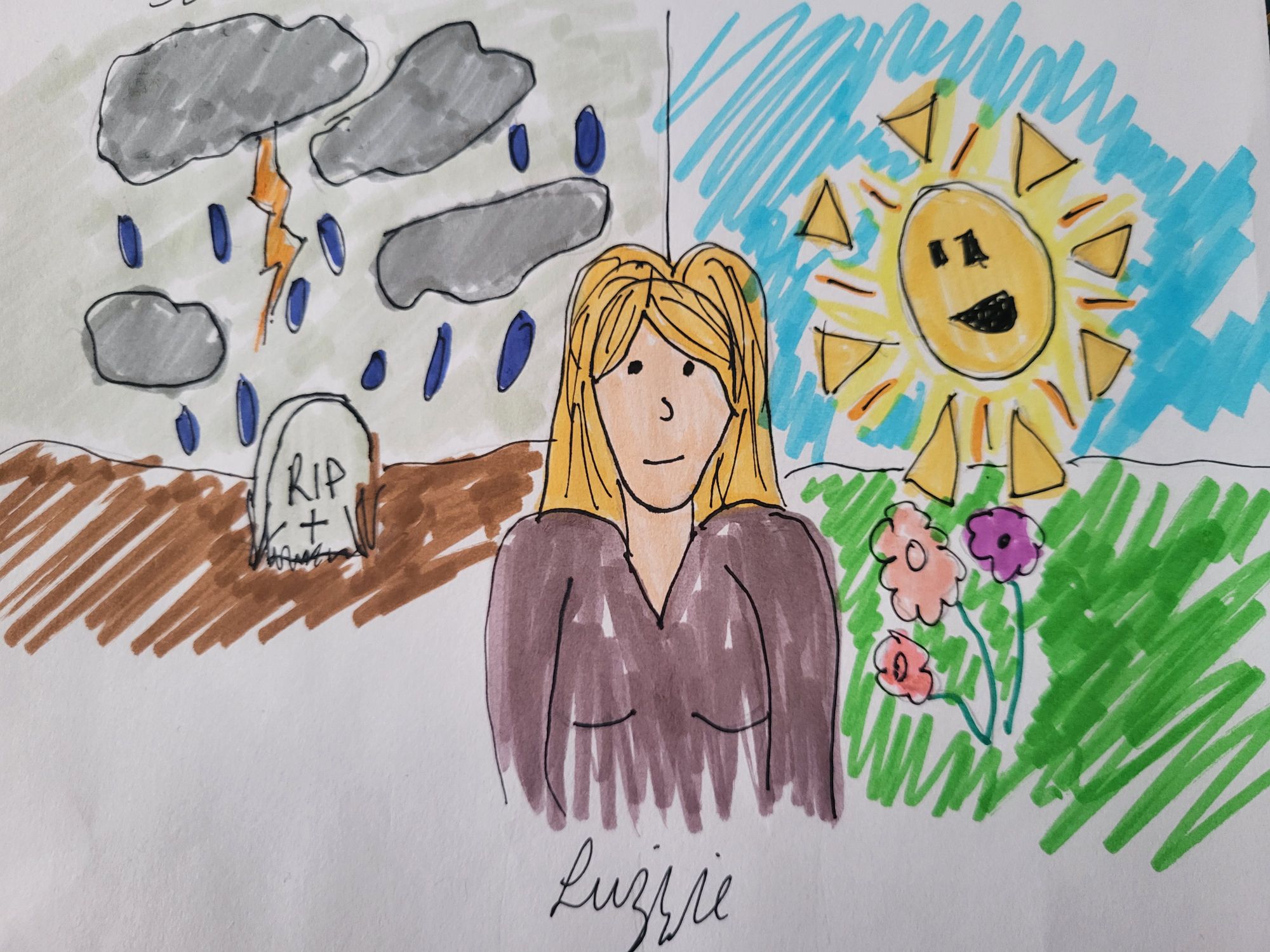
What are the key differences between Bipolar I and II? A lot of people assume that they are the same, or that Bipolar I is more severe than Bipolar II. In this post, I will discuss the key differences between the two diagnoses.
Is Bipolar I more severe than Bipolar II?
On first look, it could seem that Bipolar I is more severe than Bipolar II. We must remember that everyone’s experiences of Bipolar and mental health conditions generally are completely different, and that they have a varied impact on different people’s lives.
Some people who have Bipolar I may be able to hold down a full-time job, have a mortgage, a family etc.
Some people with Bipolar II might not be able to do any of these things for a prolonged period of time.
It’s not about the diagnosis, but how the diagnosis affects the inidivdual.
So what actually is the difference?
Bipolar I:
Characterised by periods of depression and mania.
Depression can include (but this list is not exhaustive) –
- Crying, sobbing or feeling upset, sometimes without knowing why.
- Feelings of hopelessness, worthlessness, sadness
- Low energy, or fatigue including mental fatigue
- Changes in routine including sleeping patterns (sleeping more)
- Changes in appetite including eating more or less
- Loss of interest in things you used to find fun
- Self-harm
- Suicidal ideation
- Suicide attempts
Mania can include (but this list is not exhaustive) –
- Elevated mood – feelings of being ‘on top of the world’
- More energy than usual, which can result in reduced need for sleep
- Delusions of grandeur
- Fast, excessive talking
- Lack of social awareness (saying inappropriate things)
- Racing thoughts
- Flights of fancy – lots of ideas that never come to fruition
- Easily distracted and agitated
- Impulsivity
- Acting instantly on spontaneous ideas
- Hypersexuality (which can result in sexual risk-taking i.e. sex with strangers without using protection)
- Engaging in risky behaviours such as spending more than you can afford, breaking the law, quitting a job without financial means to do so etc.
- In some instances Psychosis, or hallucinations
It is important to note that some people diagnosed with Bipolar I may have just some of these symptoms, or they may have other symptoms, too.
For a clinical diagnosis of Bipolar I, it is not necessary for the patient to have depressive episodes, although they may be present in some, whereas this is a key factor in the diagnosis of Bipolar II.
Bipolar II:
Depressive episodes in Bipolar II are likely to have many similarities to those of Bipolar I. In general, people with Bipolar II have longer depressive episodes than those who have Bipolar I.
However, people with Bipolar II also have manic episodes, but they are not as so pronounced and are therefore referred to hypomania.
Hypomanic symptoms can all be present, or there may only be some, but they will always be similar to the symptoms stated above, just not as severe and they do not last as long.
How does Bipolar I or II affect someone’s life?
Despite Bipolar I being more likely to cause a person to need hospitalisation throughout their life, there are periods in between symptoms which can be long and provide stability for a prolonged period of time.
This is different to Bipolar II, where there is a more rapid cycling of moods, and more frequent periods of symptoms in comparison to those with Bipolar I.
Can Bipolar II develop into Bipolar I?
Yes, in short it can. If left untreated, symptoms – particularly those of hypomania – can become more pronounced and severe, so much so that they eventually become manic episodes. However, with correct treatment, Bipolar in whatever form can be managed and those with a diagnosis find themselves able to lead a healthy, fulfilling life.
As always, living with any mental health condition is a challenge, and affects different people in different ways. Subscribe below for updates on my latest posts which detail what life is like with Bipolar and Anxiety.
Stay strong, and live life to the fullest,
All my love

Please note that I am not a medical or mental health expert, but my posts are written from my own experiences and my own extensive research of the condition after being diagnosed myself.
If you need help, then please do visit my page where you can find help
 the neurodiverse mind meets the neurotypical world
Leave a comment