Receiving a Bipolar diagnosis can be a long and difficult process. Here is my story about being diagnosed with Bipolar II and my 4 top tips for helping to ease the pain of the process.
My Story
‘You have Bipolar’, the Psychiatrist said.

I felt a wave of relief. I broke down in tears.
I was so relieved to have a diagnosis.
‘Are you okay’, she said to me, worried at my reaction. ‘Bipolar is a heavy diagnosis’.
I had struggled, long and hard, to receive the diagnosis that I knew was coming.
‘I have known there has been something wrong, and I kind of guessed what it was, but I have fought hard and long to get here and now I am just relieved’ I replied through tears.
And that was the first feeling I had after I found out I had Bipolar 2: Relief.
The signs started to show
The symptoms had begun about 10 years prior to this.
I was diagnosed with Bipolar II aged 24 in August 2018. I was lucky to be so young, I know a lot of other people aren’t.
From around the age of 14 or 15, when puberty had set in, I had had episodes of low moods, depression as diagnosed by my GP. But the medication worked for a while, so much so that I felt elated, knowing I didn’t need it anymore.
Then the inevitable crash would come, and I would be back in the GP office, crying that I felt so low.
Why had no one noticed the symptoms before it got to breaking point?
A common theme
It is relatively common to be misdiagnosed with depression in the early stages of the journey to a Bipolar diagnosis.
There is now more research to suggest that being prescribed SSRIs alone for undiagnosed Bipolar (as I was after the GP appointment) can exacerbate manic and hypomanic episodes.
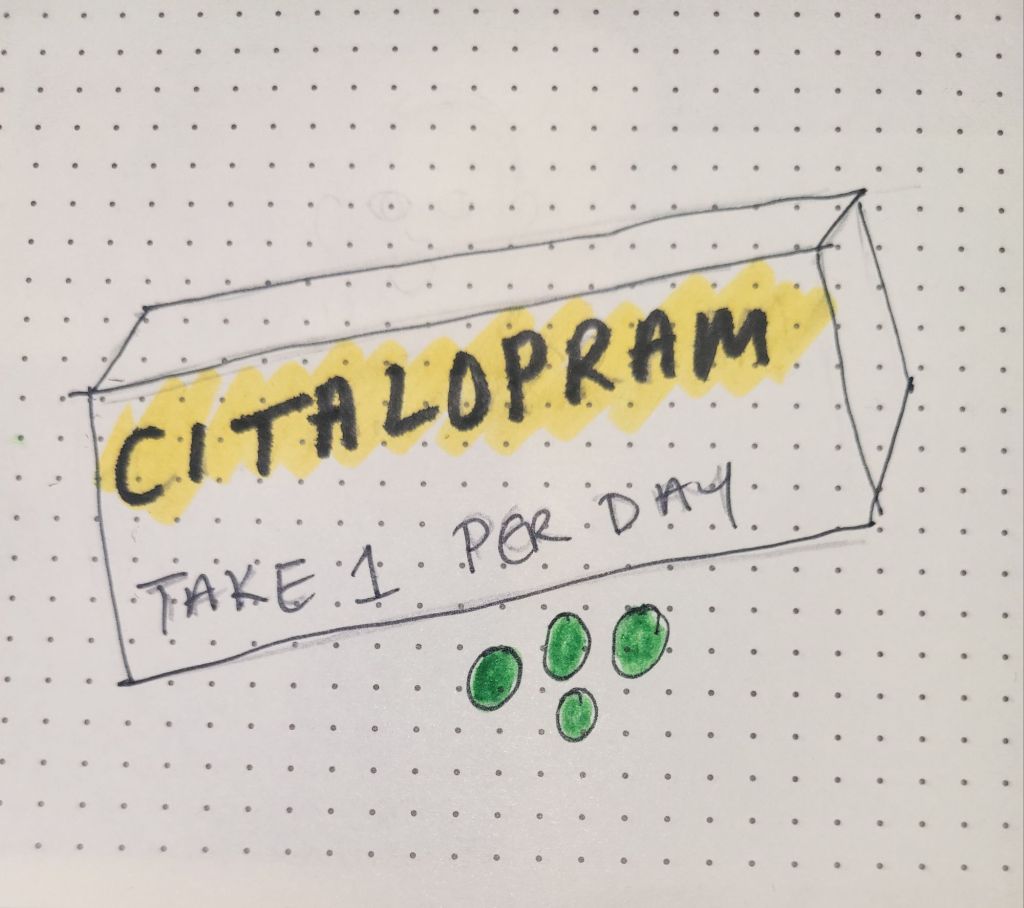
This is what I found. Every time I was depressed, I began a new course of anti-depressants, only to feel on top of the world in a few weeks.
After the buzz began to wear off, I would be inconsolably depressed, unable to function, to take pleasure in life, or to think of anything positive.
This cycle lasted years, over half a decade.
And then it became worse.
Revealing the truth
Like a textbook diagnosis, I crashed. I hit rock bottom.
I was 21 and finishing my uni degree. Self-harm and suicidal thoughts were an everyday occurrence in my life. I thought this was normal – after all, I was depressed.
But that did not explain the times when I felt the complete opposite. Racing thoughts, talking fast, wide-eyed optimism. I didn’t know what it was at the time, but it felt fantastic. It was addictive.
I started taking risks. Driving at 100mph, having meaningless flings with people I barely knew. Spending more money than I could comfortably afford on clothes, laptops…anything I could think of.
Anything could take my fancy, and then I HAD to have it. It was impulsive, and compulsive.
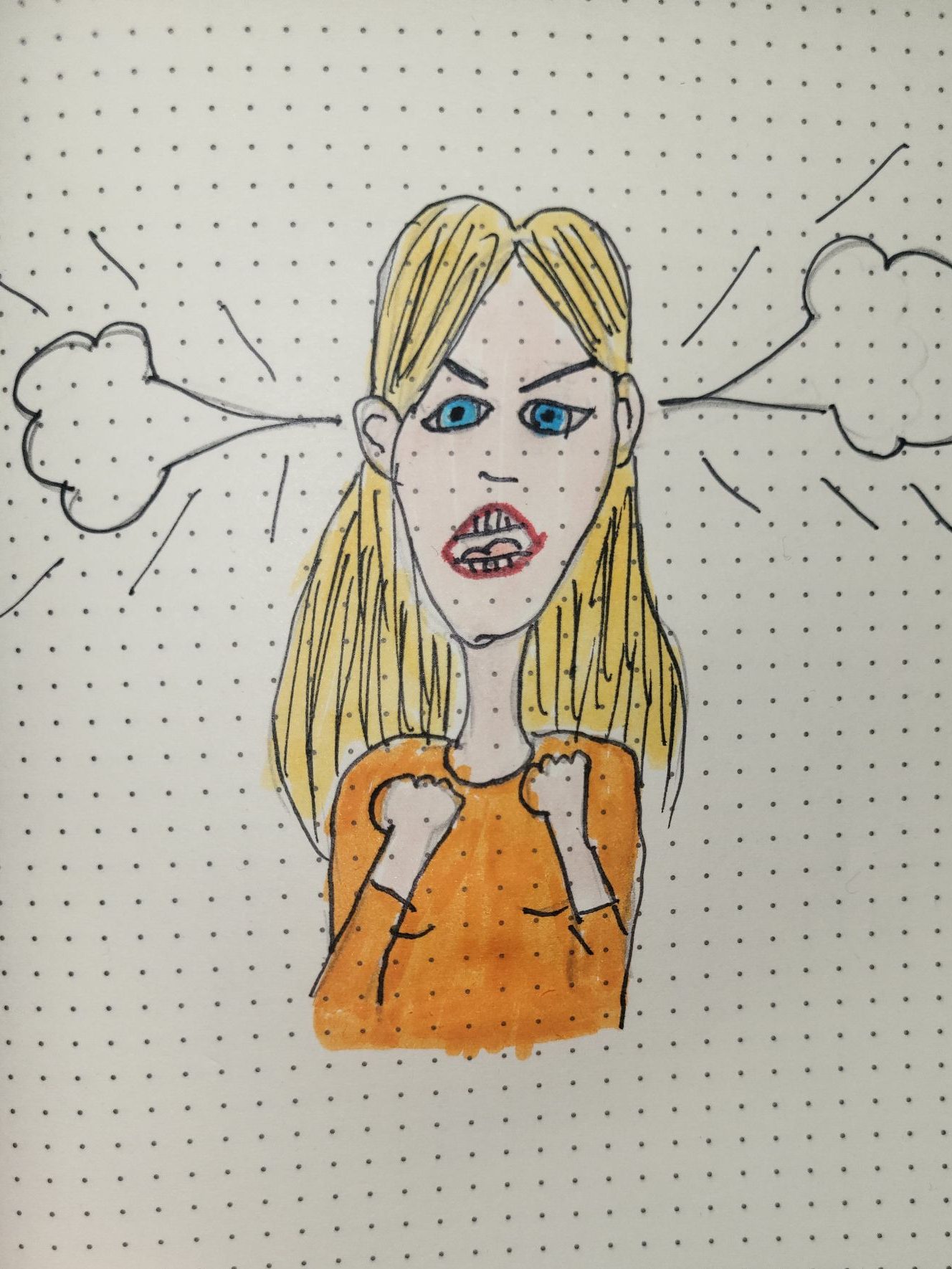
What I wasn’t expecting was the irritation and anger. Banging my head against the wall to try and stop the racing thoughts, becoming violent towards my parents because they didn’t understand.
The whole process had to stop.
The final straw
I had always been particularly conscious of my weight. I guess it was the only thing that I felt able to control. My relationship with eating, or not eating had become unhealthy.
I had swapped positive habits for running on caffeine and cigarettes and spending 4 hours a time at the gym due to my endless energy.
The final straw was when I went shopping for clothes with my mum. We had a great day out planned.
I tried on several clothes that were a size 6. Nothing fit. I had to go up to a size 8.
It was the end of the world. This was really the final straw. I couldn’t control it anymore.
We got into the car. My mum tried to speak to me and tell me not to worry.
It was all too much – I banged the steering wheel, was growling like an animal and started foaming at the mouth. The anger inside me was just too much to bear.
When I got home, my dad said the wrong thing.
In a fit of range, I through my phone at the dog, swung my fists at my parents, and smashed my head against the wall to get some relief.
My dad had to restrain me to stop me from physically hurting myself, him or my mum.
The anger was frightening. The embarrassment and shame afterwards – harrowing.
Diagnosis
I booked a GP appointment soon afterwards. I asked to speak to a psychiatrist and explained the episodes I had been having.
It took 8 weeks for me to see a specialist psychiatric nurse, who went through a number of questions with me to assess my mental health.
I came out of this appointment devastated. I wanted answers, to see a psychiatrist, and I hadn’t been given either of these things.
12 weeks after this I was sat in the Psychiatrist’s office. This is when I finally received my diagnosis, and the sense of relief was profound.
There were some things I did during the time leading up to my psychiatrist appointment that, to this day, I believe enabled me to advocate for myself and be correctly diagnosed.
How to help the process of diagnosis

- I kept a diary of all of the things I did, and the thoughts, feelings and emotions I had over a three month period.
Some days I felt like doing this, other days I didn’t. But the key was consistently writing even when I didn’t feel like it.
In this diary you have to be honest – I remember writing once about wanting to slit my counsellor’s throat, and another time the anger was so engulfing that I simply scribbled all over a page.
Keep it all. Do not be scared or embarrassed. It will help. - I got my mum and my significant other to keep a diary of how they perceived my moods and emotions. This was insightful for the psychiatrist as she was able to cross-reference my diary with theirs and put pieces of the puzzle together.
- Over several weeks, I wrote down a list of all the emotions I felt and the behaviours I was demonstrating. Although some seemed inconsequential, they again helped the psychiatrist to build up a picture of my mental health.
- I researched my symptoms. This is a difficult one because it is tempting to read into the symptoms of different disorders and fit your emotions, thoughts and actions to them. But it gave me the language that I needed to express what was going on in my head.
I have since been diagnosed with severe comorbid health anxiety, which I will detail in a later post. But getting my Bipolar II diagnosis was the most liberating thing I have ever done.
Being diagnosed saved my life.
I wouldn’t be here today had I not been correctly diagnosed.
If you feel you need help, always ask for it. Advocate for yourself. No problem is too small.
It could save your life and might even change it for the better.
Stay strong and love life,

 the neurodiverse mind meets the neurotypical world
Leave a comment